


Oral Steroids (49 Offers)
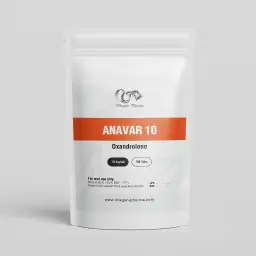
Manufacturer: Dragon Pharma, Europe
Contains: Oxandrolone
Dosage: 10 mg
Package: 100 tabs
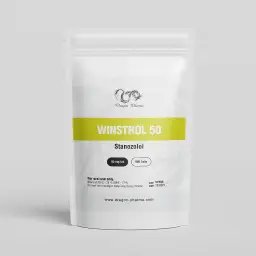
Manufacturer: Dragon Pharma, Europe
Contains: Stanozolol
Dosage: 50 mg/tab
Package: 100 tabs
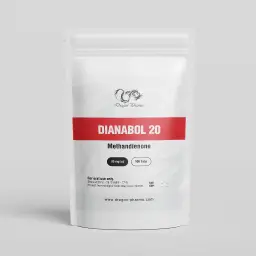
Manufacturer: Dragon Pharma, Europe
Contains: Methandienone
Dosage: 20 mg/tab
Package: 100 tabs
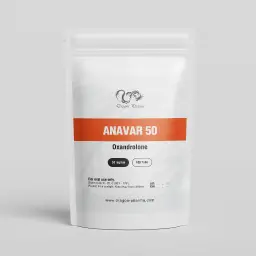
Manufacturer: Dragon Pharma, Europe
Contains: Oxandrolone
Dosage: 50 mg/tab
Package: 100 tabs

Manufacturer: Dragon Pharma, Europe
Contains: Stanozolol
Dosage: 10 mg
Package: 100 tabs
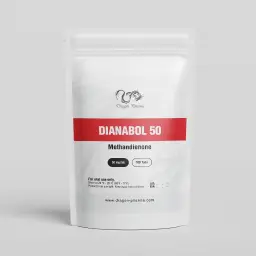
Manufacturer: Dragon Pharma, Europe
Contains: Methandienone
Dosage: 50 mg/tab
Package: 100 tabs
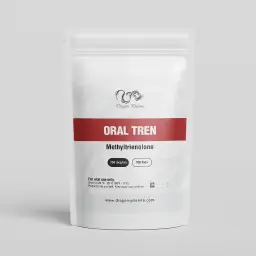
Manufacturer: Dragon Pharma, Europe
Contains: Methyltrienolone
Dosage: 250 mcg
Package: 100 tabs
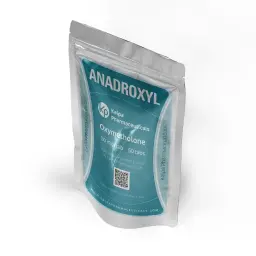
Manufacturer: Kalpa Pharmaceuticals LTD, India
Contains: Oxymetholone
Dosage: 50 mg/tab
Package: 50 tabs
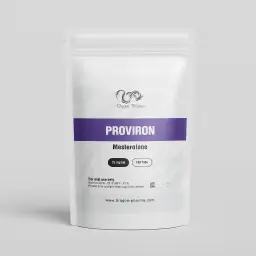
Manufacturer: Dragon Pharma, Europe
Contains: Mesterolone
Dosage: 25 mg/tab
Package: 100 tabs
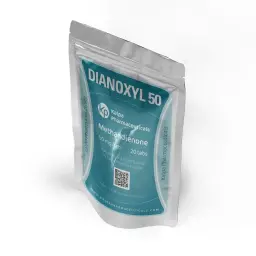
Manufacturer: Kalpa Pharmaceuticals LTD, India
Contains: Methandienone
Dosage: 50 mg/tab
Package: 20 tabs
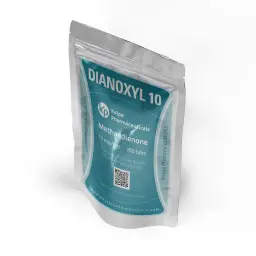
Manufacturer: Kalpa Pharmaceuticals LTD, India
Contains: Methandienone
Dosage: 10 mg/tab
Package: 100 tabs
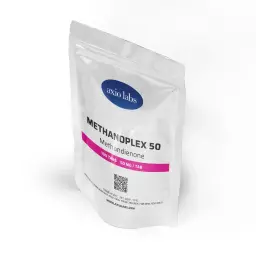
Manufacturer: Axiolabs
Contains: Methandienone
Dosage: 50 mg/tab
Package: 100 tabs
Overview of Oral Anabolic Steroids
Oral anabolic-androgenic steroids (AAS) are synthetic derivatives of testosterone designed to exert anabolic effects such as increased protein synthesis, nitrogen retention, and erythropoiesis. Unlike injectable formulations, oral compounds are structurally modified—commonly via 17α-alkylation—to survive hepatic first-pass metabolism and maintain systemic bioavailability.
Within this category, compounds differ significantly in anabolic-to-androgenic ratios, hepatic stress potential, and receptor binding affinity. These pharmacological differences are clinically relevant in contexts such as hypogonadism management, cachexia treatment, and historical use in performance medicine.
Pharmacological Mechanism of Action
Oral anabolic steroids exert their effects primarily through binding to the androgen receptor (AR), a nuclear transcription factor expressed in muscle, bone, and various metabolic tissues. Upon activation, the receptor complex translocates to the nucleus and modulates gene expression related to protein synthesis and cellular growth.
Key biochemical effects include:
- Upregulation of mRNA transcription for contractile muscle proteins
- Inhibition of glucocorticoid-mediated catabolic pathways
- Increased nitrogen retention in skeletal muscle tissue
- Enhanced erythropoietin-mediated red blood cell production
The degree of hepatic metabolism resistance is a defining feature of oral steroids. 17α-alkylated compounds exhibit increased oral bioavailability but also demonstrate a higher degree of hepatocellular strain due to prolonged hepatic exposure.
Key Oral Anabolic Steroids and Their Profiles
Oxandrolone
Methandrostenolone (Dianabol)
Stanozolol
Oxymetholone
Chlorodehydromethyltestosterone (Turinabol)
Fluoxymesterone
Hepatic Metabolism and Toxicological Considerations
A defining limitation of oral anabolic steroids is hepatotoxicity associated with 17α-alkylation. This modification impairs normal hepatic breakdown, increasing hepatocyte exposure to active steroid concentrations.
Common biochemical markers associated with hepatic strain include elevated ALT, AST, and bilirubin levels. Prolonged exposure may induce cholestatic stress or enzyme induction changes affecting lipid metabolism.
In contrast to injectable anabolic steroids, oral compounds typically exhibit shorter half-lives but higher peak hepatic burden due to first-pass metabolism.
Endocrine Suppression and Feedback Regulation
Exogenous anabolic steroid administration suppresses the hypothalamic-pituitary-gonadal (HPG) axis via negative feedback inhibition. This leads to reduced endogenous luteinizing hormone (LH) and follicle-stimulating hormone (FSH) secretion, resulting in decreased natural testosterone production.
Recovery dynamics vary depending on compound half-life, receptor affinity, and duration of exposure. Post-cycle hormonal normalization is often discussed in relation to PCT compounds, which aim to restore endogenous endocrine signaling.
Comparative Classification Within Anabolic Steroids
Oral anabolic steroids can be differentiated based on structural class and functional behavior:
- DHT-derived oral steroids:
Stanozolol ,Oxandrolone — typically non-aromatizing with lean tissue emphasis - Testosterone-derived oral steroids:
Methandrostenolone ,Methyltestosterone — stronger mass-oriented profiles with estrogenic potential - Modified synthetic derivatives:
Chlorodehydromethyltestosterone — intermediate anabolic expression with reduced water retention
Clinical and Research Contexts
Historically, oral anabolic steroids have been evaluated in clinical contexts such as catabolic disease states, severe trauma recovery, and hormonal deficiency syndromes. However, due to hepatotoxic risk profiles, their medical application has become more limited in favor of safer alternatives.
In research settings, these compounds are studied for their receptor selectivity, gene transcription modulation, and tissue-specific anabolic signaling pathways. Comparative studies often analyze oral versus injectable formulations to assess pharmacokinetic variability and systemic safety thresholds.
Related Compound Classes
Oral anabolic steroids are frequently discussed alongside other performance-related pharmacological categories such as injectable anabolic steroids, selective androgen receptor modulators (SARMs), and peptide-based growth factors (peptides). Each class differs significantly in receptor interaction and metabolic impact.
Understanding these distinctions is essential for accurate pharmacological classification and risk assessment in both clinical literature and biochemical research frameworks.

